
With over 15 years of experience designing and implementing resilient water and sanitation solutions across Central Africa, Costa Rica, and North America, our practice delivers practical, climate-adapted systems that keep communities supplied and healthy during drought and infrastructure disruption. We design and install storage tanks—ranging from modular polyethylene units (polytanks) to ferrocement and lined masonry reservoirs—sized and sited to provide autonomy during municipal cutoffs and emergency buffering, as well as enable gravity-fed distribution to ensure sufficient pressure as needed. Tanks are filtered, secured, mosquito-proofed, and paired with simple monitoring to help communities manage volumes through prolonged dry periods.
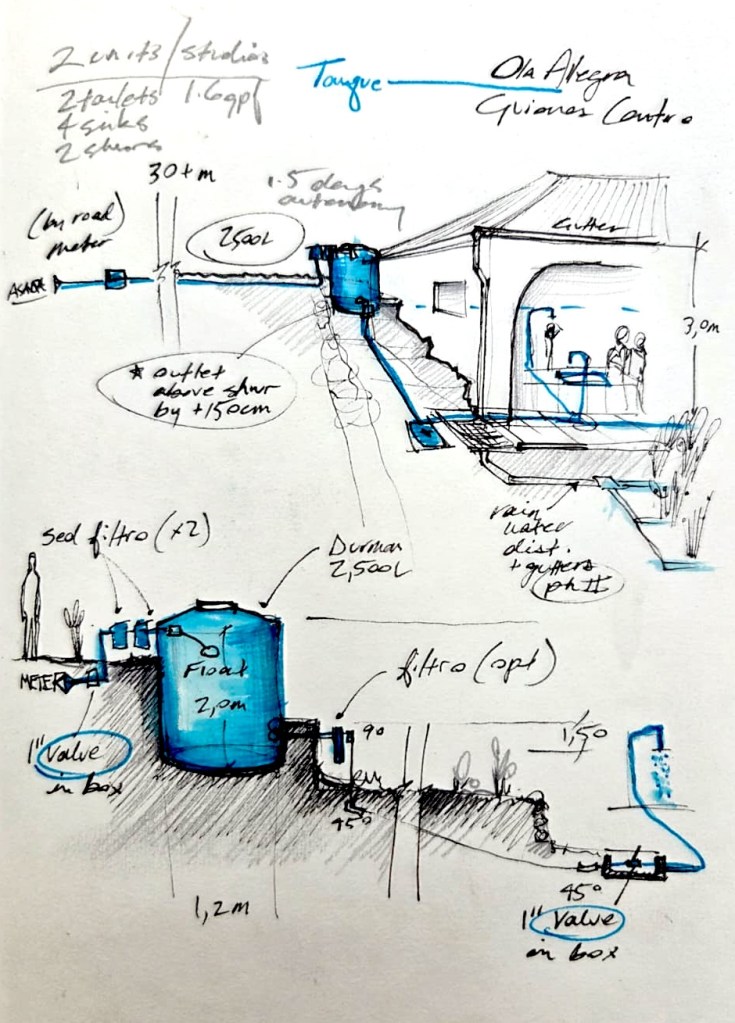
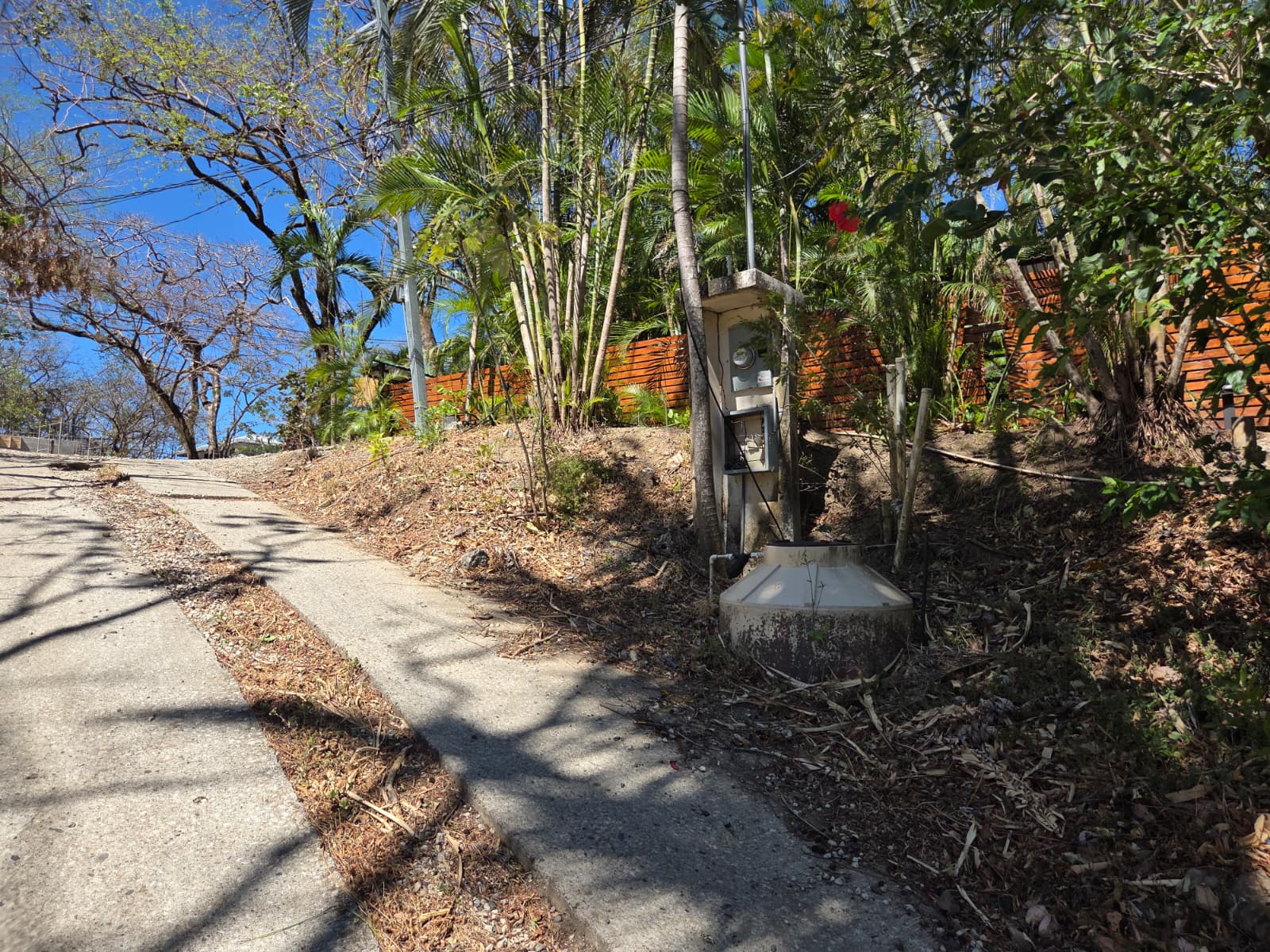
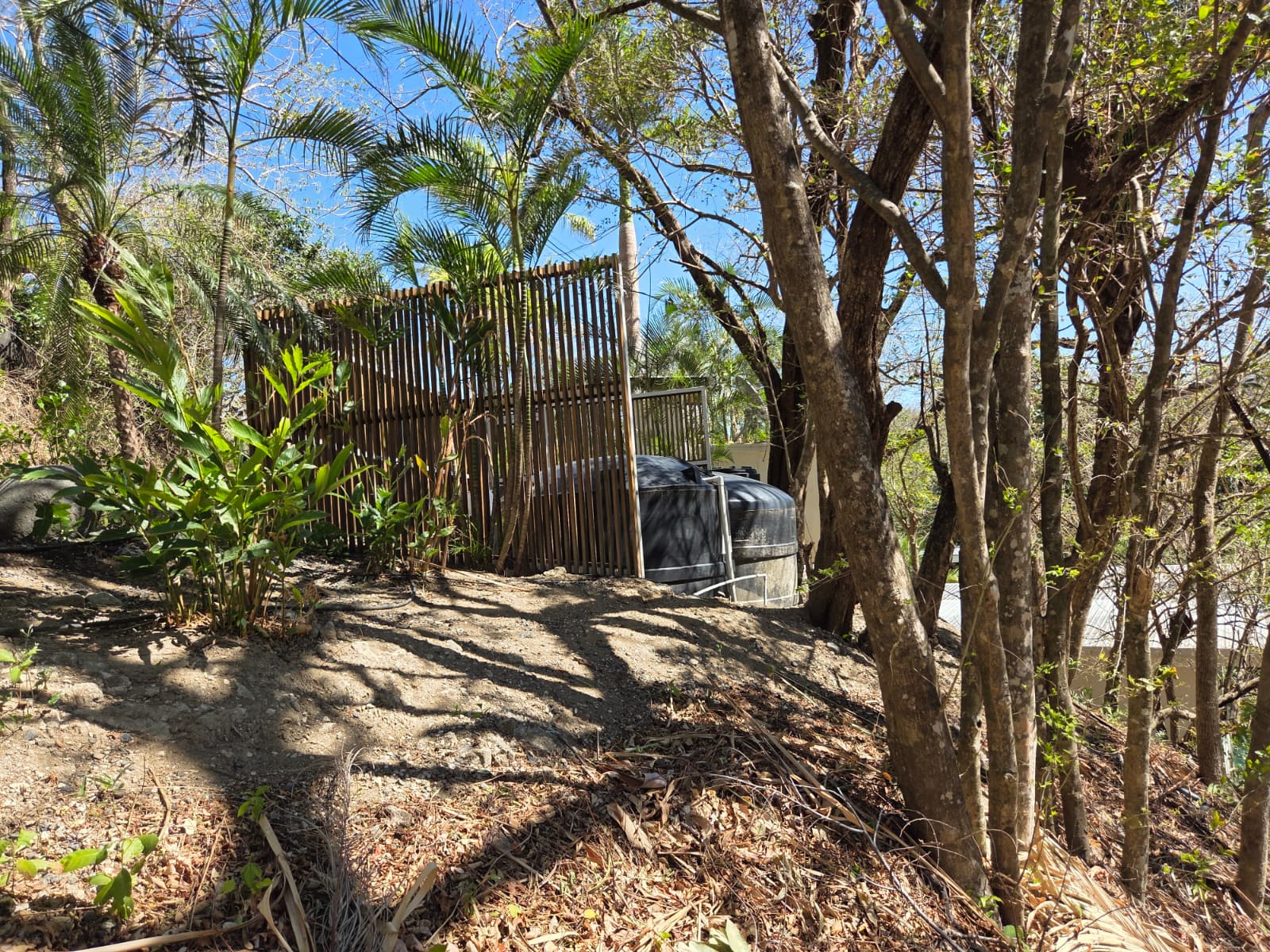
Rainwater cistern construction is also a core service, delivered as above- or below-ground systems with first-flush diverters, leaf screening, and basic filtration to protect water quality for domestic and irrigation uses. Cistern sizing and catchment design are driven by local rainfall patterns and user demand, prioritizing low maintenance and locally available materials to ensure long-term reliability. To reduce pressure on freshwater sources and municipal infrastructure, we implement grey-water storage and treatment trains—settling, sand or media filtration, and reed beds—so that treated grey-water can safely support landscaping and small-scale food production.
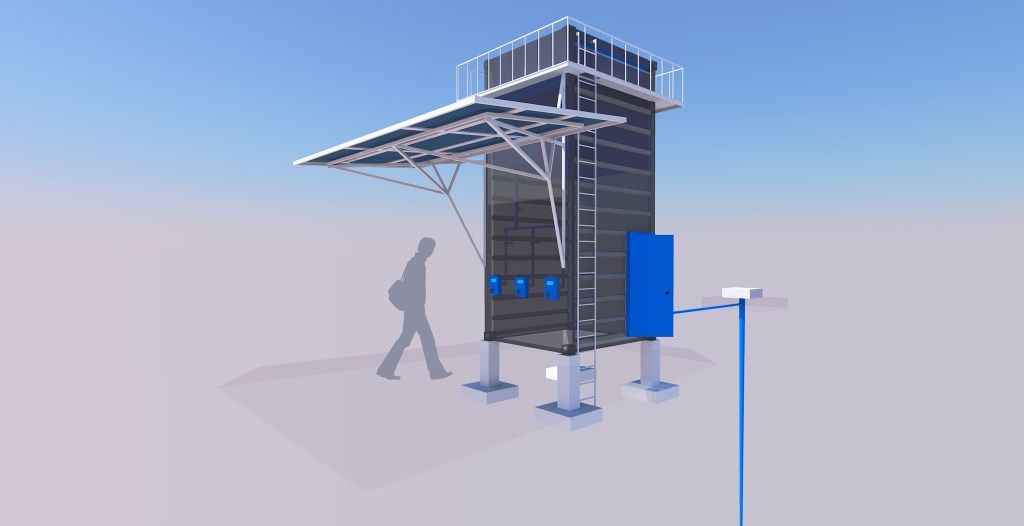
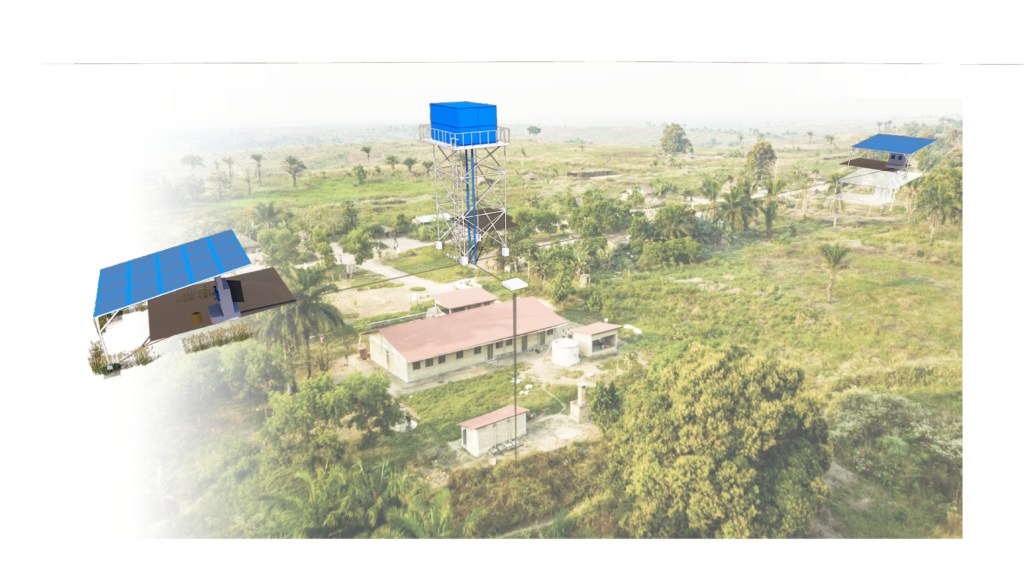
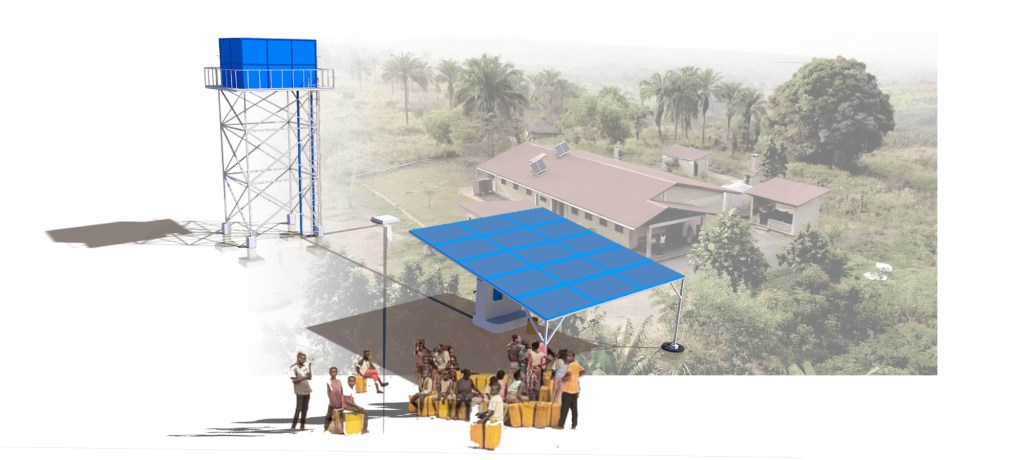
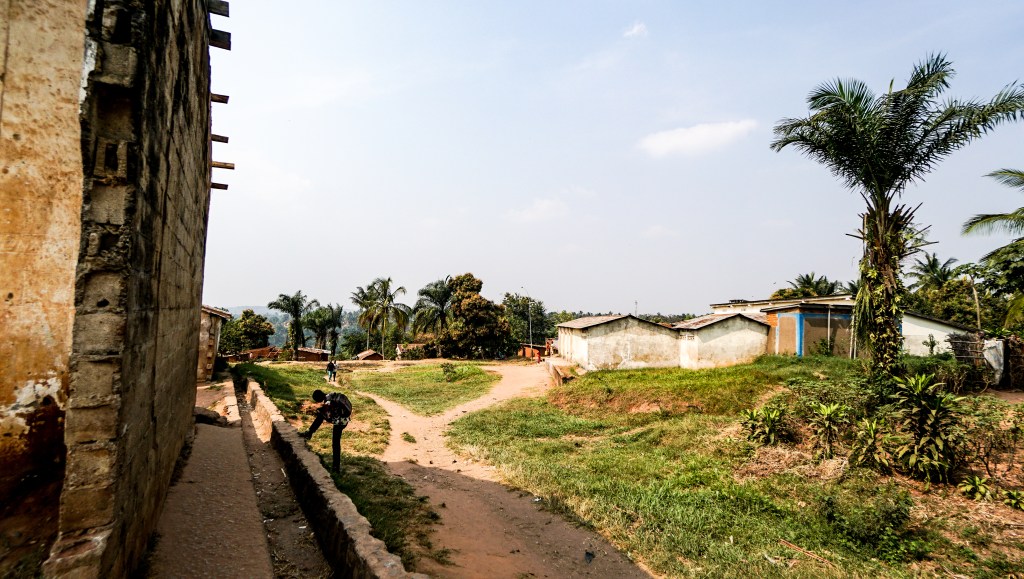
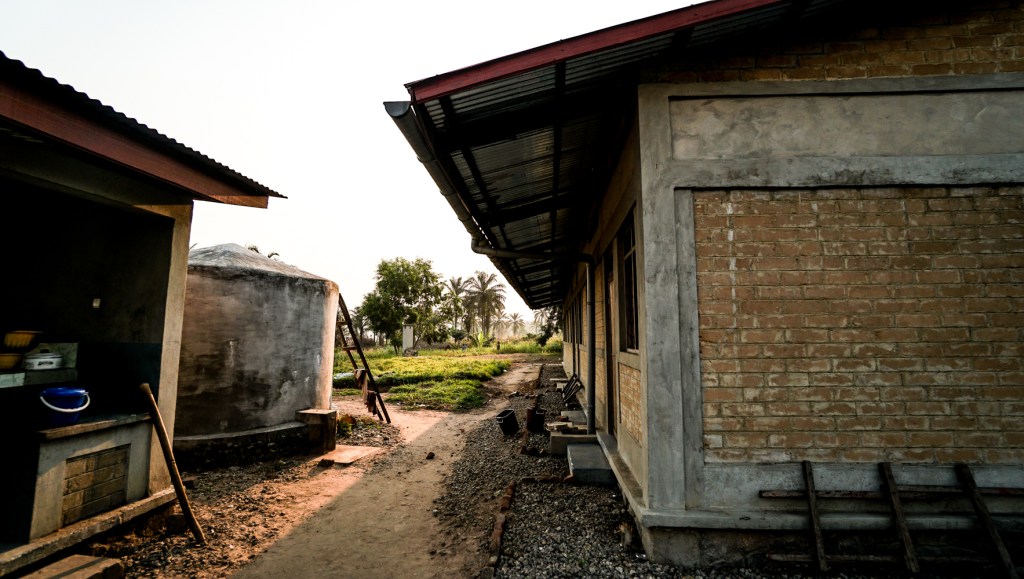
Our landscaping irrigation strategies include sub-surface drip lines, mulching strategies, and seasonal irrigation plans to minimize evaporation and salt buildup, stretching scarce water supplies even further. In regions where grid power is unreliable, we deploy solar-powered water systems that pair solar powered pumps with battery or elevated-tank buffering and appropriate point-of-use treatment; systems are designed for field repairability and include training and spare-part strategies for local operators.
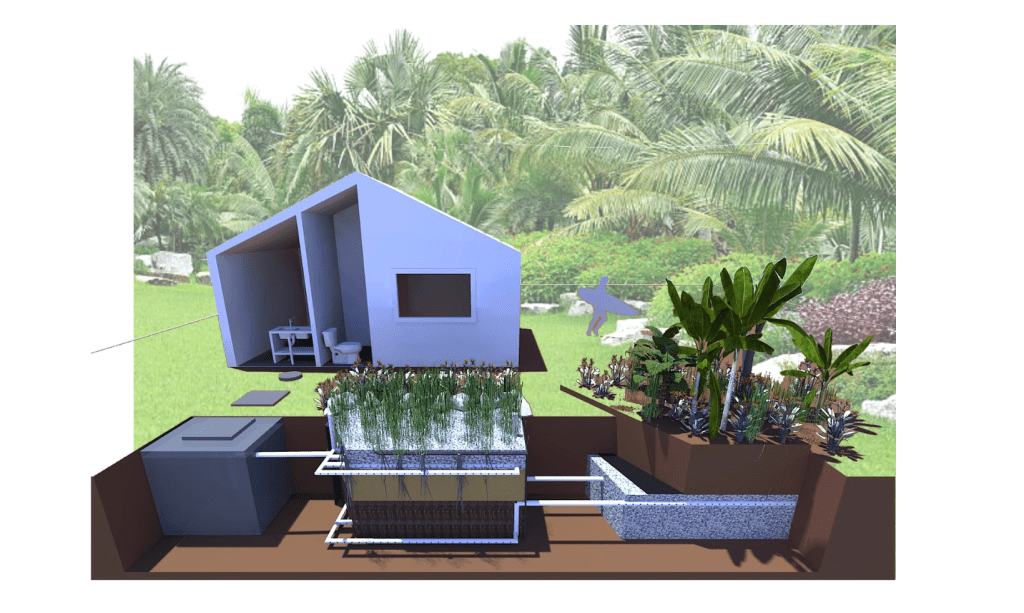
Our approach to sanitation is constantly evolving as we renovate and upgrade septic systems, perform desludging and structural repairs, and install effluent treatment through constructed wetlands and bioreactor gardens that treat blackwater, recover nutrients, and create productive green spaces. Every project emphasizes community engagement, capacity building, and context-driven design—combining proven technologies, local labor, and health-focused management plans so systems remain safe, affordable, and sustainable over time.
 dwela design studio